Introduction
In the unforeseeable trip of life, emergencies can strike when least anticipated. Whether it's a youngster choking on a toy, an elderly relative experiencing a medical situation, or perhaps an unexpected heart attack throughout a family celebration, knowing how to react can imply the difference in between life and death. This is where CPR (Cardiopulmonary Resuscitation) comes into play. It's not simply an ability for medical care professionals; it's an important tool every household must have in their emergency situation toolkit. Is your house CPR prepared? In this thorough guide, we'll explore every little thing you need to learn about mouth-to-mouth resuscitation, its value, and useful tips to guarantee your family is planned for any type of emergency.
Is Your Family CPR Ready? The Significance of CPR Training
Understanding the Requirement of Mouth-to-mouth Resuscitation in Households
Cardiac arrest can take place anywhere-- in the house, in the park, or even at the workplace. According to the American Heart Organization, virtually 350,000 out-of-hospital cardiac arrests take place yearly in the united state alone. If spectators do mouth-to-mouth resuscitation immediately, they can double or even triple a victim's opportunities of survival. Therefore, understanding CPR saving lives isn't just a motto; it's a reality that can be crucial in emergencies.
Why Every Family Need to Learn CPR
Imagine your child suddenly falls down during playtime-- would certainly you understand what to do? Having fundamental expertise of exactly how to do mouth-to-mouth resuscitation can encourage family members to act promptly and effectively in vital situations. Not only does it save lives but additionally helps in reducing anxiousness throughout high-stress scenarios.
The Role of Neighborhood Mouth-to-mouth Resuscitation Classes
Local CPR classes frequently offer hands-on training that can significantly boost your skills and self-confidence. These classes are normally led online first aid refresher training by licensed trainers that recognize how to communicate critical details clearly and effectively. Many companies provide training courses tailored for certain age groups and situations-- making certain everyone from infants to grownups knows just how to respond in emergencies.
Household CPR Readiness: Evaluating Your Present Status
Evaluating Your Expertise and Skills
Before diving deeper right into specific methods and tips, take a moment to evaluate what you currently find out about CPR:
- Do you recognize how to do upper body compressions? Are you knowledgeable about using an AED (Automated External Defibrillator)? Have you ever before taken a first aid class?
Assessing your current expertise will assist recognize gaps that need addressing.
Creating an Emergency Response Plan
Every family ought to have an emergency situation feedback plan that includes:
Designated emergency situation contacts A checklist of local emergency services A prepare for just how each member will connect throughout an emergencyBeing organized makes certain everybody recognizes their duty when urgency strikes.

Essential Skills: How To Do CPR
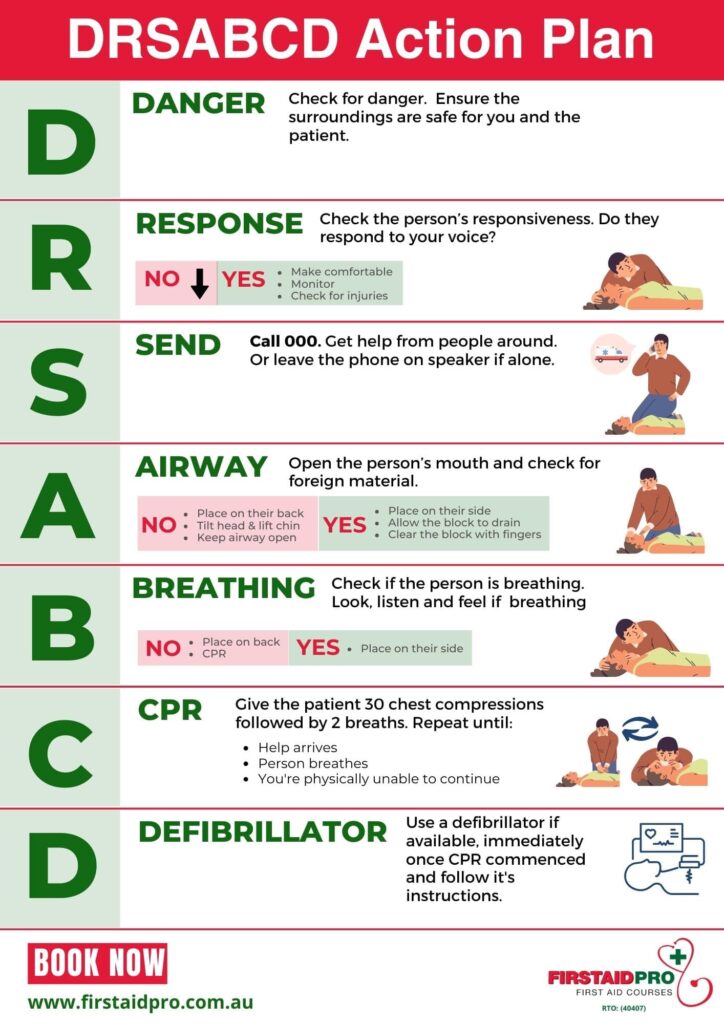
Basic Steps for Grownup CPR
Call 911: Make certain emergency solutions get on their way. Position the Individual: Lay them on their back on a flat surface. Perform Chest Compressions:- Kneel beside them. Place one hand on top of the various other in the center of their chest. Push down hard and fast (a minimum of 100-120 compressions per minute), ensuring correct compression depth.
Infant CPR Technique
Performing mouth-to-mouth resuscitation on infants calls for care:
Call for aid immediately. Position the baby face up on a firm surface. Use 2 fingers to push down regarding 1 1/2 inches deep at a rate of 100-120 compressions per minute. Give two rescue breaths if educated to do so.Advanced Resuscitation Skills
For those wanting to dig deeper into innovative resuscitation strategies, consider registering in specialized courses covering:
- Advanced air passage management Use of accessories like bag-valve masks Understanding various rhythms via ECG interpretation
Using AED: How To Utilize AED Efficiently During Emergencies
Understanding AEDs: What They Are and Why They Matter
An Automated External Defibrillator (AED) is developed to evaluate heart rhythms and deliver shocks if necessary. Understanding exactly how to use an AED can dramatically boost survival rates adhering to cardiac arrest.
Steps To Make use of An AED Correctly
Turn on the AED as soon as possible. Attach pads according to guidelines-- one pad goes on the top right chest while one more goes on the lower left side. Ensure no one is touching the individual while it assesses heart beat patterns. Follow prompts given by the tool; if shock is advised, press the shock switch only after validating no person is touching the patient.Common Myths About CPR You Should Know
Debunking Common False impressions Regarding CPR Effectiveness
One prevalent misconception suggests that "mouth-to-mouth resuscitation always restarts heart" when this isn't necessarily real; instead, it keeps blood distributing until professional help arrives.
The Misconception Concerning Incorrect Compression Depths
Another misconception surrounds compression depths-- several think any kind of deepness will certainly be enough; nevertheless, wrong compression deepness can drastically impact end results in real-life situations.

Special Scenarios: Sports-related Cardiac Arrest & Sinking Victims
CPR for Sinking Targets: Unique Considerations
Drowning victims frequently require immediate interest because they may suffer from both respiratory system failing and heart attack at the same time:
Remove them from water promptly. Initiate rescue breaths before beginning upper body compressions-- this varies from standard grown-up treatments where compressions begin first.CPR for Sports-related Heart attacks: Unique Protocols
Sports-related events are coming to be increasingly typical among athletes due to intense physical effort resulting in arrhythmias or cardiovascular disease:
- Always assess professional athletes' health history prior to engaging them in sports. Understand early indication such as shortness of breath or lightheadedness throughout tasks can suggest severe underlying issues needing instant treatment with proper protocols consisting of calling emergency solutions promptly!
Navigating Via Online Resources: Where To Locate Reputable Information?
Online Qualification Programs for Families Looking For Educating Options
With technology making everything extra available than ever before-- think about making use of online certifications! Platforms like Red Cross offer training courses ranging from basic first aid training all through sophisticated resuscitation skills at flexible routines Article source customized around busy lifestyles!
Table 1: Comparison Graph of Online vs In-person Courses
|Attribute|Online Program|In-person Training course|| ----------------------------|--------------------------|------------------------|| Adaptability|High|Reduced|| Hands-on Method|Limited|Extensive|| Price|Typically Lower|Normally Higher|| Qualification Accessibility|Immediate Upon Completion|After Final Exam Passed|
FAQs
Q1: What is the legitimacy duration for my mouth-to-mouth resuscitation certificate?
A1: Many companies advise restoring your certification every two years; nonetheless, examine local policies as demands may differ based upon state guidelines.
Q2: Exist particular age-related guidelines I should comply with when doing CPR?
A2: Yes! There are distinct age-specific guidelines concerning compression ratios/techniques for infants versus grownups which need to be stuck carefully too ensure optimal results!
Q3: Can I find out both Emergency treatment and mouth-to-mouth resuscitation together?
A3: Definitely! Lots of programs use consolidated training choices (CPR And First Aid Combo) supplying extensive insurance coverage over different situations one may encounter!
Q4: Exactly how successful is performing immediate cardiopulmonary resuscitation?
Q5: What tools do I require at home relevant particularly in the direction of lifesaving steps like AEDs etc?
A5: Basics include having readily offered tools such as automated outside defibrillators in addition to essential first-aid packages equipped containing bandages/splints along with various other essential products affordable refresher first aid courses tailored in the direction of dealing with injuries endured prior arrival by specialist medical care providers!
Q6: Can I take on the internet courses if I live outside Australia yet dream still seek qualification through Australian recognized institutions?
A6: Yes! Numerous programs cater internationally offering choices matched worldwide no matter where living-- simply make certain they acknowledge credentials across boundaries sufficiently ahead of time inspecting appropriate certification requirements regulating such accreditations within respective countries entailed here!
Conclusion
Preparing your house with vital life-saving abilities like Cardiopulmonary Resuscitation has never been a lot more vital than currently! By recognizing what constitutes reliable strategies together with recognizing specific procedures relating to different situations-- family members outfit themselves not just mentally yet almost ensuring they're ready when faced unanticipated difficulties emerge unexpectedly within day-to-day life situations came across frequently throughout time spent together!
So ask yourself today-- Is Your Home Mouth-to-mouth Resuscitation Ready? Necessary Tips for every single Family can possibly save lives-- they state understanding is power nevertheless! Focus on education/training opportunities available near/in location today-- we hope this post supplies valuable understandings directing every person toward being better prepared handling emergencies efficiently relocating forward!